
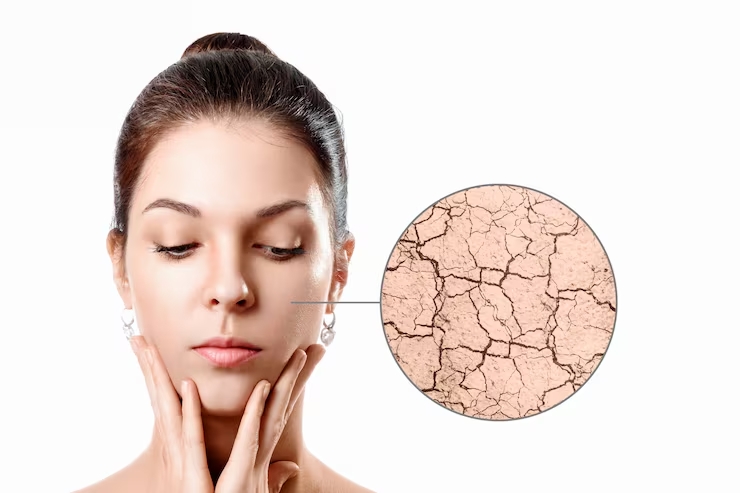
What Is the Skin Barrier?
The skin barrier is the outermost layer of the skin, often referred to as the stratum corneum. It acts as a protective shield that defends against external irritants while retaining essential moisture.
This layer is made up of:
Skin cells (corneocytes)
Lipids (ceramides, cholesterol, fatty acids)
Together, they form a structure often described as a “brick and mortar” system, where skin cells are the bricks and lipids are the mortar.
When this structure is intact, the skin remains:
Hydrated
Smooth
Resistant to irritation
What Happens When the Skin Barrier Is Damaged
When the barrier is compromised, it loses its ability to protect and retain moisture effectively.
This leads to:
Increased water loss (TEWL)
Higher sensitivity to external triggers
Inflammation and irritation
Slower healing process
As a result, the skin becomes reactive and uncomfortable.
Signs of a Damaged Skin Barrier
You may have a damaged barrier if you experience:
Persistent redness
Burning or stinging sensation
Tightness after cleansing
Dry patches or flaking
Increased breakouts
Skin reacting to products that previously worked
These symptoms often appear together and worsen over time if not addressed.
What Causes a Damaged Skin Barrier
1. Over-Exfoliation
Using too many exfoliating acids or scrubs can strip away the protective layer of the skin.
This disrupts:
Lipid balance
Skin cell cohesion
Moisture retention
2. Harsh Cleansers
Strong cleansers remove natural oils that are essential for barrier function.
This leads to:
Dryness
Irritation
Increased sensitivity
3. Overuse of Active Ingredients
Combining multiple actives such as:
Retinoids
AHAs/BHAs
Vitamin C
can overwhelm the skin and weaken its defenses.
4. Environmental Stress
External factors like:
UV exposure
Pollution
Weather changes
can damage the barrier over time.
Using Maruderm SPF 50+ Vitamin C Sunscreen helps protect the skin from UV-related barrier damage.
5. Lack of Hydration
Dehydrated skin is more vulnerable.
Without enough moisture:
Barrier function weakens
Skin becomes reactive
Recovery slows down
Using Maruderm Hyaluronic Acid Moisturizing Cream helps restore hydration and support repair.
Why Your Skin Reacts to Everything
When the barrier is damaged:
Irritants penetrate more easily
Nerve endings are more exposed
Inflammation increases
This causes the skin to react even to mild products.
Why Over-Treating Makes It Worse
Many people try to fix their skin by adding more products.
This leads to:
Increased irritation
Further barrier damage
Slower recovery
The correct approach is to reduce and simplify.
The Science of Barrier Repair
Barrier repair focuses on restoring:
Lipid balance
Moisture levels
Skin structure
This process requires time and consistency.
The skin must rebuild its protective layer gradually.
The First Step: Stop the Damage
Before repairing the barrier, it is essential to eliminate the causes.
Avoid:
Exfoliating acids
Retinoids
Harsh cleansers
Fragrance-heavy products
This allows the skin to stabilize.
The Importance of Hydration
Hydration is the foundation of barrier repair.
Well-hydrated skin:
Heals faster
Feels more comfortable
Becomes less reactive
Maruderm Hyaluronic Acid Moisturizing Cream supports moisture retention and helps restore balance.
Why Sun Protection Is Essential
UV exposure worsens barrier damage by increasing inflammation.
Daily use of Maruderm SPF 50+ Vitamin C Sunscreen:
Protects against further damage
Supports healing
Prevents sensitivity
What to Expect During Recovery
Barrier repair is not instant.
Typical timeline:
Week 1–2: Reduced irritation
Week 3–4: Improved hydration
Week 4–6: Stronger, more stable skin
Consistency is critical.
FAQ (Part 1)
1. What is a damaged skin barrier?
A weakened outer layer of the skin.
2. What causes barrier damage?
Over-exfoliation, harsh products, and dehydration.
3. Can the skin barrier repair itself?
Yes, with proper care.
4. How long does repair take?
Several weeks.
5. Is hydration important?
Yes, it is essential.
6. Can sunscreen help?
Yes, it protects and supports healing.
7. Should I stop all actives?
Temporarily, yes.
8. Why does my skin burn?
Because the barrier is compromised.
9. Can I use fewer products?
Yes, minimal routines are better.
10. What is the first step?
Stop further damage.
How to Repair a Damaged Skin Barrier (Step-by-Step Routine)
Repairing a damaged skin barrier requires a structured, minimal, and consistent approach. The goal is not to aggressively treat the skin but to restore its natural protective function.
A successful routine focuses on:
Gentle cleansing
Deep hydration
Barrier support
Daily protection
Step 1: Switch to Gentle Cleansing
Cleansing should remove impurities without stripping the skin.
When the barrier is damaged:
Avoid foaming, harsh cleansers
Avoid hot water
Avoid over-cleansing
You can use Maruderm Salicylic Acid Face Cleansing Gel carefully and not excessively, especially if your skin is also acne-prone. Keep usage gentle and avoid overuse.
Best practice:
Cleanse once or twice daily
Use lukewarm water
Pat skin dry (do not rub)
Step 2: Focus on Intensive Hydration
Hydration is the most critical step in barrier repair.
When the skin lacks moisture:
Healing slows down
Sensitivity increases
Tightness and irritation worsen
Using Maruderm Hyaluronic Acid Moisturizing Cream helps:
Restore moisture levels
Improve elasticity
Reduce discomfort
Apply on slightly damp skin for maximum effect.
Step 3: Eliminate All Irritants
During the repair phase, your routine should be extremely simple.
Avoid:
Exfoliating acids (AHA/BHA)
Retinoids
Vitamin C (temporarily if irritation is high)
Fragrance
Alcohol-based products
This step allows the skin to reset and stabilize.
Step 4: Daily Sun Protection
Sun exposure delays healing and worsens barrier damage.
Using Maruderm SPF 50+ Vitamin C Sunscreen daily:
Protects the skin from UV stress
Reduces inflammation
Prevents further sensitivity
Sunscreen is essential even if you stay indoors.
Minimal Skincare Routine (Barrier Repair Phase)
A simplified routine delivers the best results.
Morning Routine
Gentle cleanse
Moisturizer
Sunscreen
Evening Routine
Gentle cleanse
Moisturizer
This minimal structure reduces irritation and supports recovery.
How Long Does It Take to Repair the Skin Barrier?
Barrier repair takes time and consistency.
Typical timeline:
Week 1–2: Reduced stinging and irritation
Week 3–4: Improved hydration and comfort
Week 4–6: Stronger, more resilient skin
Severely damaged skin may take longer.
Signs Your Skin Barrier Is Healing
As the barrier recovers, you will notice:
Less redness
Reduced sensitivity
Improved hydration
Better tolerance to products
Smoother texture
These are indicators that your routine is working.
How to Reintroduce Active Ingredients Safely
Once your skin stabilizes, you can slowly reintroduce actives.
Guidelines
Introduce one product at a time
Start with low frequency (2–3 times per week)
Monitor skin response
Avoid combining multiple actives
Recommended Order
Niacinamide (barrier support)
Mild exfoliation (if needed)
Stronger actives (only if necessary)
Why Overloading the Routine Delays Recovery
Using too many products can:
Increase irritation
Disrupt the barrier again
Slow down healing
Barrier repair works best with less, not more.
Common Mistakes During Barrier Repair
Continuing to exfoliate
Using multiple active ingredients
Skipping moisturizer
Not using sunscreen
Expecting quick results
Avoiding these mistakes is critical for recovery.
The Role of Lifestyle in Barrier Repair
Stress
Stress increases inflammation and delays healing.
Sleep
Skin repair occurs during sleep. Poor sleep slows recovery.
Environment
Cold weather, heat, and pollution can worsen barrier damage.
How to Support Skin Internally
Stay hydrated
Maintain balanced nutrition
Reduce stress levels
Internal health reflects on the skin.
FAQ (Part 2)
1. What is the fastest way to repair the skin barrier?
Simplify routine and focus on hydration.
2. Can I use actives during repair?
It is better to pause them temporarily.
3. Is moisturizer enough?
It is the most important step, but sunscreen is also essential.
4. Can I exfoliate damaged skin?
No, avoid it until recovery.
5. How often should I cleanse?
Once or twice daily.
6. Can I use sunscreen on damaged skin?
Yes, it is necessary.
7. What should I avoid?
Harsh products and overuse of actives.
8. Why is my skin still irritated?
Recovery takes time and consistency.
9. Can I use fewer products?
Yes, minimal routine is best.
10. When can I go back to normal routine?
After the skin stabilizes.
Barrier Repair Guide for Long-Term Skin Health
Repairing a damaged skin barrier is only the first step. The real goal is to maintain a strong, resilient barrier long-term so the skin does not return to a reactive state.
Many people successfully repair their barrier, but then fall back into the same habits that caused the damage in the first place. This leads to recurring sensitivity, irritation, and instability.
Long-term skin health depends on maintenance, balance, and consistency.
Why Skin Barrier Damage Keeps Coming Back
Even after improvement, the skin can become sensitive again if underlying triggers are not controlled.
1. Returning to Aggressive Skincare
After seeing improvement, many people reintroduce:
Strong exfoliants
Multiple active ingredients
High-frequency treatments
This quickly overwhelms the skin again.
2. Ignoring Hydration
Stopping moisturizer or reducing hydration leads to:
Increased water loss
Weakened barrier
Return of sensitivity
Using Maruderm Hyaluronic Acid Moisturizing Cream consistently helps maintain hydration and prevent relapse.
3. Skipping Sunscreen
UV exposure is one of the main causes of barrier damage.
Without protection:
Inflammation increases
Skin becomes reactive again
Healing is reversed
Daily use of Maruderm SPF 50+ Vitamin C Sunscreen is essential for maintaining results.
4. Environmental Stress
External factors such as:
Weather changes
Pollution
Temperature fluctuations
can weaken the skin barrier over time.
How to Maintain a Healthy Skin Barrier
1. Keep Your Routine Simple
A stable routine prevents irritation.
Core steps:
Gentle cleansing
Consistent moisturizing
Daily sun protection
2. Use Active Ingredients Strategically
Actives should be used carefully, not aggressively.
Best approach:
Use fewer actives
Reduce frequency
Avoid combining too many at once
3. Maintain Hydration Daily
Hydration is not optional—it is essential.
Daily use of Maruderm Hyaluronic Acid Moisturizing Cream helps:
Strengthen the barrier
Improve skin comfort
Prevent dryness
4. Protect the Skin Every Day
Sun protection is critical for long-term barrier health.
Using Maruderm SPF 50+ Vitamin C Sunscreen:
Prevents UV damage
Reduces inflammation
Maintains skin stability
How Skin Behavior Changes After Repair
Once the barrier is restored:
Skin becomes less reactive
Products are better tolerated
Hydration improves
Redness decreases
Overall texture becomes smoother
This is the point where the skin functions normally again.
When to Adjust Your Routine
Skin is dynamic and changes over time.
During Sensitive Periods
Reduce actives
Focus on hydration
Simplify routine
During Stable Periods
Maintain routine
Introduce actives slowly if needed
During Seasonal Changes
Increase hydration in winter
Maintain sunscreen in summer
The Role of Consistency in Skin Health
Consistency is more important than any product.
Irregular routines:
Disrupt the barrier
Cause repeated damage
Delay results
A consistent routine allows the skin to remain stable and resilient.
Why “Less Is More” Works
Using fewer products reduces:
Risk of irritation
Product conflicts
Overloading the skin
A minimal routine is easier to maintain and more effective long-term.
How to Prevent Future Barrier Damage
Avoid over-exfoliation
Do not mix too many active ingredients
Maintain hydration
Use sunscreen daily
Stick to a consistent routine
These habits protect the skin from future damage.
The Biggest Mistakes to Avoid
Switching products too often
Ignoring hydration
Skipping sunscreen
Using strong actives too frequently
Expecting fast results
Avoiding these mistakes ensures long-term improvement.
Final Perspective: The Right Way to Treat Your Skin
A healthy skin barrier is the foundation of all skincare.
Without it:
Treatments do not work effectively
Skin becomes reactive
Results are temporary
With a strong barrier:
Skin becomes balanced
Concerns are easier to treat
Long-term results are achievable
The most effective approach is not aggressive treatment—it is consistent, balanced care.
FAQ (Part 3)
1. Can a damaged skin barrier return?
Yes, if proper care is not maintained.
2. How do I keep my barrier healthy?
Hydrate, protect, and avoid overuse of actives.
3. Should I use sunscreen daily?
Yes, it is essential.
4. Can I use actives after repair?
Yes, but gradually and carefully.
5. Is moisturizer always necessary?
Yes, it supports barrier function.
6. What causes repeated sensitivity?
Overuse of products and lack of consistency.
7. Can weather damage the barrier?
Yes, especially extreme conditions.
8. How do I know my skin is healthy again?
Less redness, irritation, and improved comfort.
9. Is a simple routine better?
Yes, for long-term stability.
10. What is the most important factor?
Consistency.